
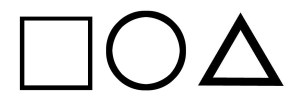
Q. How are our associations with primary shapes (square, circle, triangle) being used to extend meaning in these familiar logos?
A. According to Donis A. Dondis, in A Primer of Visual Literacy, we ascribe meaning to shape based on our intuitive need for perceptual balance and equilibrium. For example, we psychologically equate the solid square with “honesty” and “fairness”, the continuous circle with “harmony,” and the “tipped” triangle with “tension” based on their relationship to horizontal axis. Logos often exploit these associations.
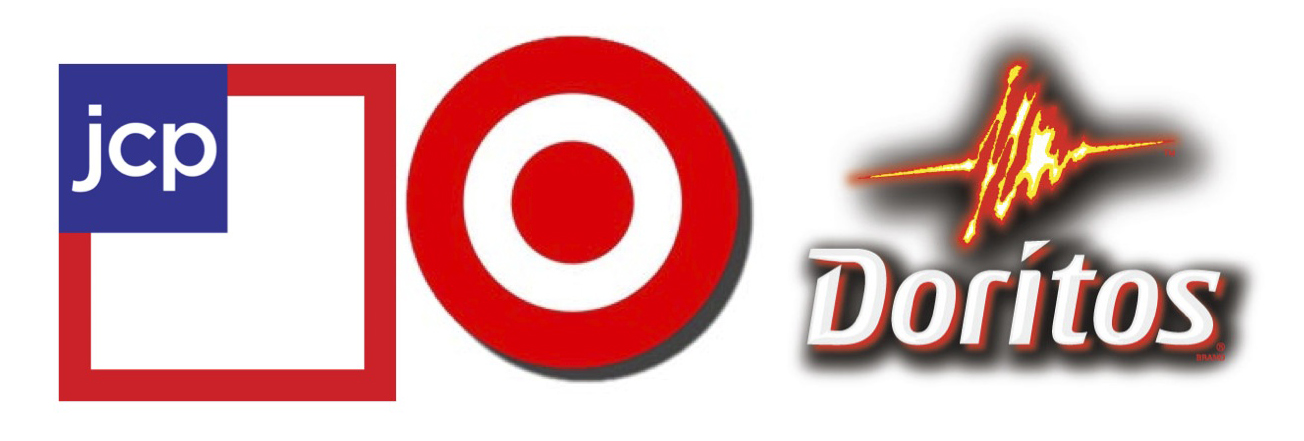
For example, the use of the square within a square in the JCP logo communicates that this retailer is “fair and square” and about as American as apple pie since these are slight variations on the shapes and colors of the American flag (the letters JCP are the “stars” in this familiar flag motif).
The simple circle of the Target logo is turned into a bulls-eye, or a “target” which visually reinforces the brand name and communicates that this retailer will “hit” our comprehensive as well as “core” needs.
The Doritos “electric” triangle, which is tipped and off balance, references the shape and spicy flavor profile of this product; these tortilla shapes are essentially “hot” triangles.
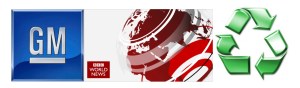
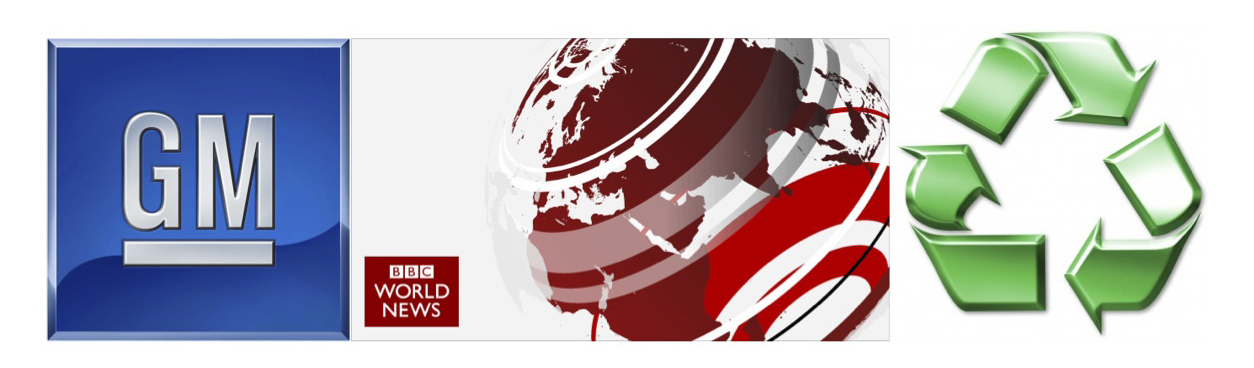
There are endless variations on the way associations with shape can be exploited, as the logos below demonstrate. Because the letters GM are anchored by a leveling bar in a blue square, they look as solid as a house with a new foundation; the red circle within a circle, when given dimension, becomes an “eye on the world” in the BBC logo, and the triangle becomes the perfect visual metaphor for the transformative process of recycling.
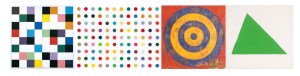
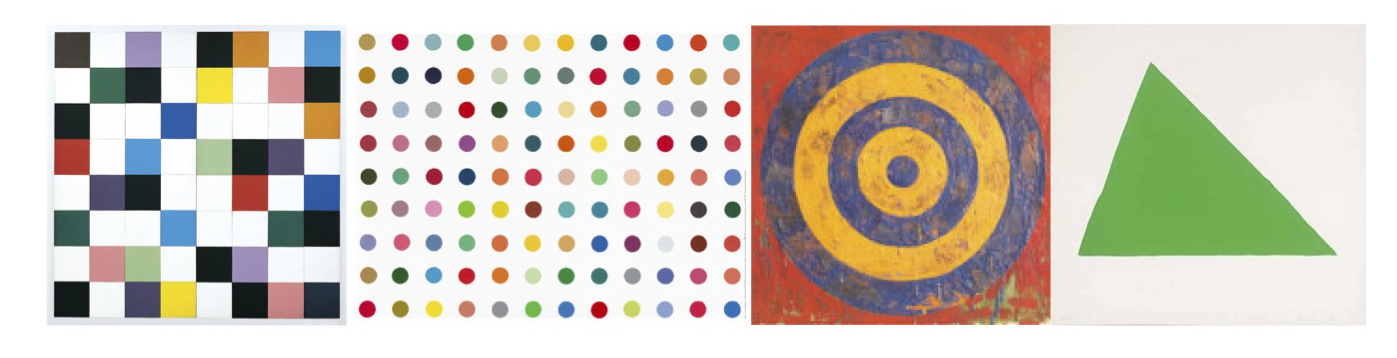
Many artists work with primary shape and color. See below the use of the square, circle and triangle by a few very famous artists (Ellsworth Kelly, Damien Hirst, Jasper Johns and Blinky Palermo).
The preoccupation with primary shape and color by modern artists was no coincidence. The visual building blocks were no longer elements of narrative, they became the subject matter itself.










 viqaiq.com
