
26
by viqaiq
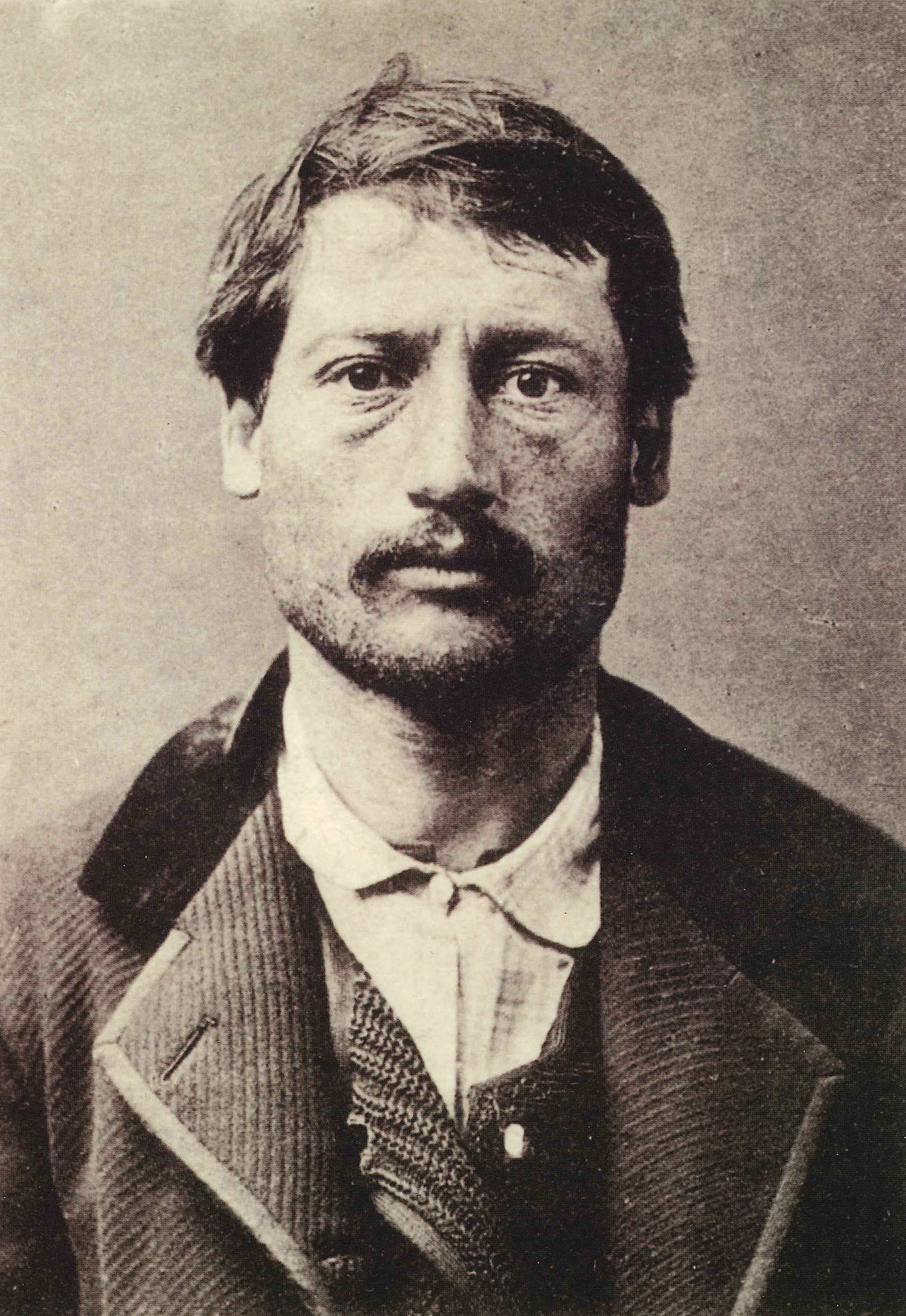
Q. Take a look at this face above and the two faces below. Is this the same man?

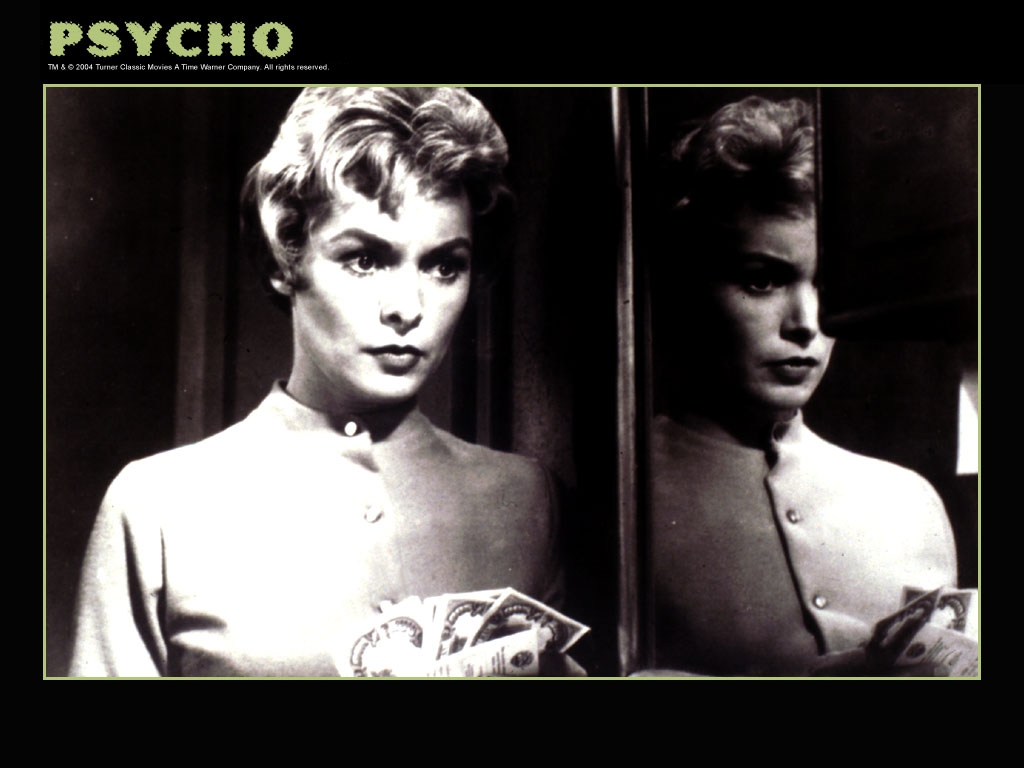
A. It is the same man. Faces are not symmetrical as these photos demonstrate. The face on top is the two merged right sides of the face, and the face on the bottom is the two merged left sides of the same face. This image is taken from the Psychobox: A Box of Psychological Games. The editor, Mel Gooding, points out that Hitchcock used this effect in the film Psycho to emphasize a moment of personal and moral ambivalence. We are shown one face that looks like two because this woman is wrestling with herself and because Hitchcock wants us as an audience to also become deeply uncertain about her.
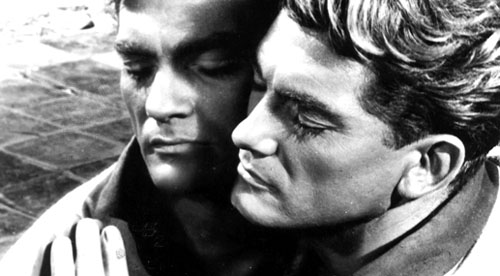
There are also other ways facial asymmetry can be used for visual effect.
See below a still from the Jean Cocteau’s famous film Orpheus based on the Greek myth. In Cocteau’s modern version of the story, the poet Orpheus must retrieve his wife Eurydice from the underworld (which is accessed by way of a liquid two-way mirror) without turning back to look at her. In the shot below, Orpheus caresses the mirror (or portal) in his longing to reach the underworld. Cocteau is playing with Orpheus’ overwhelming urge to look by turning him momentarily into Narcissus gazing at his own reflection (and with the dual features of life and death, reality and dream, temporality and permanence, etc.). If Orpheus is unable to control the selfish urge to look, he will lose Eurydice forever, and will ultimately end up alone, gazing only at himself. It is also important to note that Cocteau’s imagery here is, in part, homoerotic and that he was celebrating the beauty of Jean Marais, his longtime companion, lover and star of his films.
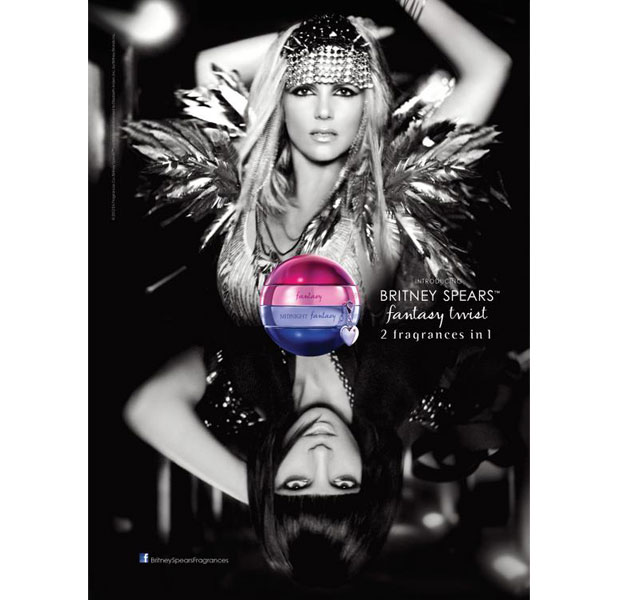
Even Brit Brit has used this wonderful effect. See below her alternate female identities – one light and one dark, one soft and one hard, and one blond and one brunette Britney.
 viqaiq.com