
35
by viqaiq
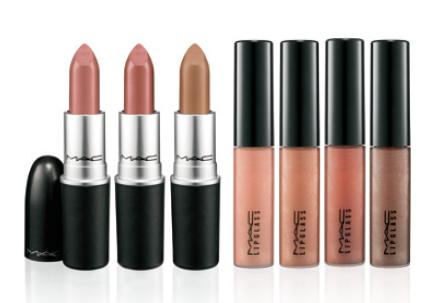
Q. If a make-up artist sent you to the store to pick up a “cool” pink lipstick, which lipstick would you choose?
This is an applied color theory question. Although we are not always aware of it, most of us intuitively use some knowledge of color theory in many of our personal choices. When we buy make-up, color our hair, match a tie to a shirt, arrange colorful food on a dinner plate, or paint a room, we are (hopefully) using some basic understanding of color harmony to make appropriate selections.
Color wheels help us understand color relationships and interactions – or what happens when colors are grouped or mixed. According to color theory, warm colors (think sun) are yellow, red and orange (they appear to come forward), and cool colors (think snow) are blue, green and violet (they appear to slightly recede).
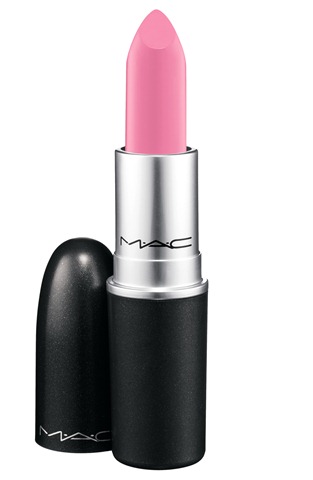
So, a pink lipstick, depending on its base color, can become either “cool” or “warm”. Don’t choose any of the pinks above – they have a gold base and are “warm” pinks; choose the pink below; it has a blue base making it a “cool” pink.
 viqaiq.com