
5
by viqaiq
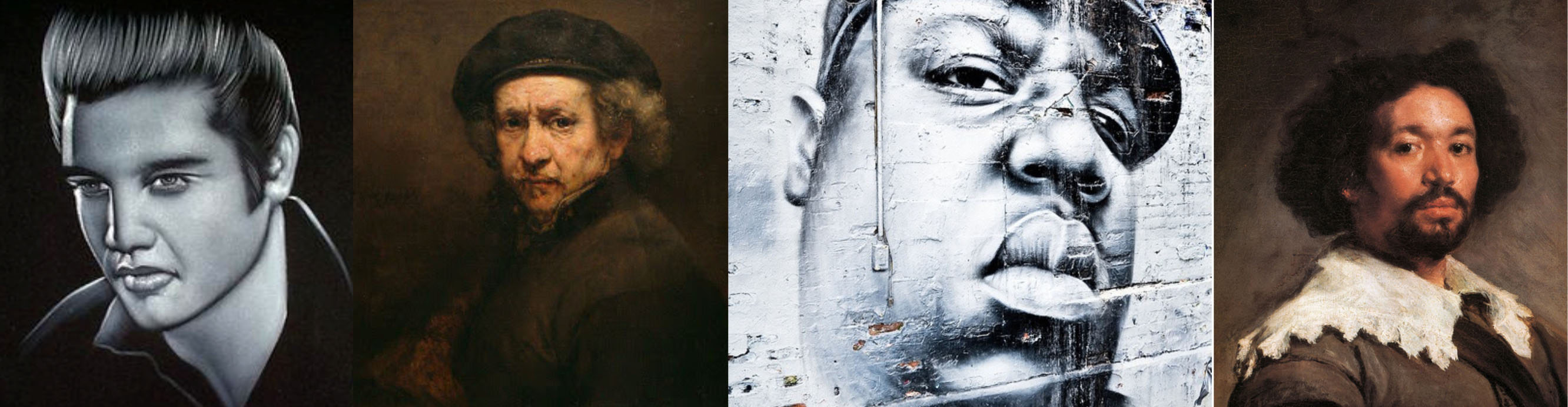
Q. Do you think rich people look at art more than poor people?
A. There are short and long answers to this question.
The short answer is that fine art is a commodity that is bought and sold for enormous sums of money by a small and elite group of individuals who are highly invested in maintaining rituals of exclusivity to protect exchange values. So, in a way, it is true that there are differences in access to art by class. In his classic book, Ways of Seeing, John Berger points out that those in the working class are twice as likely to view an art gallery as a church as those in the professional class who view them as libraries. The art world is highly invested in conceptions of “high” and “low” culture, and of “art” and “craft,” as these distinctions help to protect wealth. Many conceptual artists have challenged these arrangements by rejecting the traditional methods of art making (they do not make “objects” which can be easily bought and sold) and instead create works of art based on inventive approaches to the presentation of ideas. In many conceptual works, there is no object at all. For example, Martin Creed won the coveted Turner Prize in 2001 for his Work No. 227, The Lights Going On And Off. As the title describes, the installation consisted of an empty gallery in which the lights turned on and off every 5 seconds. Each “on” negated the proceeding “off” and vice versa. This conceptual work turned the viewing experience on its head since the audience was directed to vacant walls and space (and a repetitive action) instead of an art “object.”
The longer and even more complex answer to this question has to do with what is defined as “art.” As a peek into anyone’s living room will reveal, most people incorporate art from a wide variety of sources into their daily lives and they view, make, buy and save a staggering number of images in a lifetime. Most of us access art during the day without being consciously aware of it through street art, graffiti, and art in public spaces (including subways, airports, hospitals, office buildings, and public parks). So the answer here is complex. Your life is probably significantly more artful and art filled than you may have realized regardless of your social class.
Many people would assert that whether your interior space includes a painting of Elvis on velvet or a Rembrandt, your home and life are equally graced by “art.”
 viqaiq.com