77
by viqaiq

Q. As photographers, we have all taken, or have been tempted to take, close-ups of flowers. Why are the photographs of flowers below significantly more accomplished than the photograph above?
A. The flower photograph above is appealing; it is a perfect flower captured at its zenith and one can see why the photographer would have wanted to remember this particular moment. It isn’t a very complex image, however; it is easily understood and we don’t revel in it for too long.
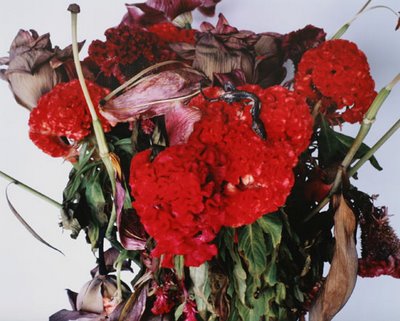
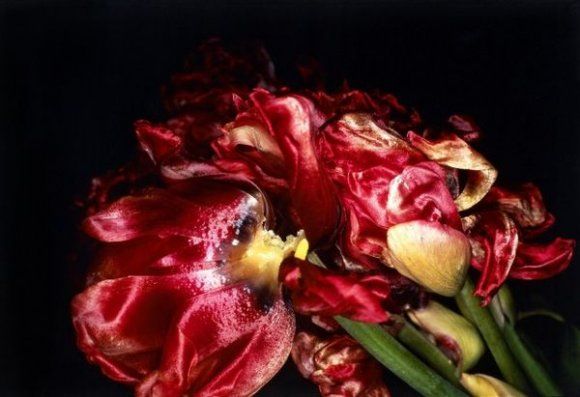
The flower photographs below are by Nobuyoshi Araki and are significantly more complex, both in their compositional and color arrangement and in their narrative. These flowers look rather exhausted and are no longer perfect. Interestingly enough, it turns out that imperfection is significantly more interesting to look at than perfection. The associations are more gripping and interesting and the narrative is more mysterious. Are these arrangements allegorical, telling the lovely but heart wrenching story of life and death?

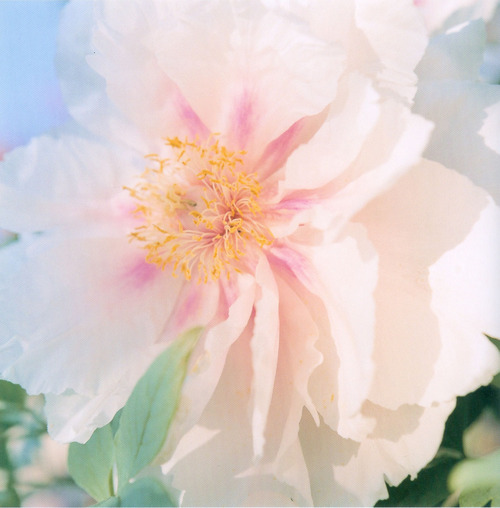
Just in case you don’t believe that an imperfect flower is more visually interesting than a perfect flower, below you will see two flower photographs by Rinko Kawauchi that also demonstrate this. The first photograph is of a perfect flower, but again, the narrative is more complex because the flower is so fragile and sunlight that it almost appears to be quivering (the story is as much about fragility and temporality as it is about perfection). This is the way a master photographer handles and extends what might otherwise be a common subject. Her second flower photograph is actually about birth, not really about the flower itself. Again, these are significantly more mysterious and memorable narratives. So the next time you are tempted to photograph a flower, allow your photograph to do more than represent a flower…let it tell your flower’s complicated story with a full and clear voice.

 viqaiq.com