
82
by viqaiq
Q. What is re-appropriation?
A. Simply put, it is a technique (or a conceptual orientation to art making) where artists use existing images (or things) to create new works of art. There are several ways that images (and things) can be re-appropriated; images from popular culture (like advertising) can be brought into the world of “high art”, existing images may be incorporated into new works of art, or existing images may be grouped in ways that change their meaning. Andy Warhol’s Campbell’s soup can and Duchamp’s urinal are probably the most famous examples of re-appropriation. The basic idea is that a new work of art is created from something “borrowed”.
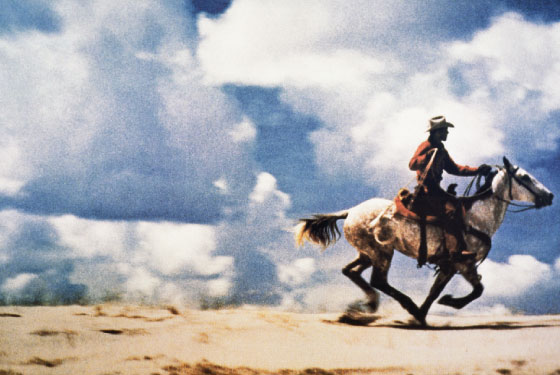
The work above is by Richard Prince, who re-appropriated images from Marlboro ads by re-photographing them and removing their signature logo and tagline. In doing so, Prince essentially deconstructed their messages and exposed their artificiality. When manipulated and enlarged, they became dream like, representative of our deepest preoccupation with and attachments to archetypal identities. Advertising is mostly based in images of who we want to be, not who we actually are.
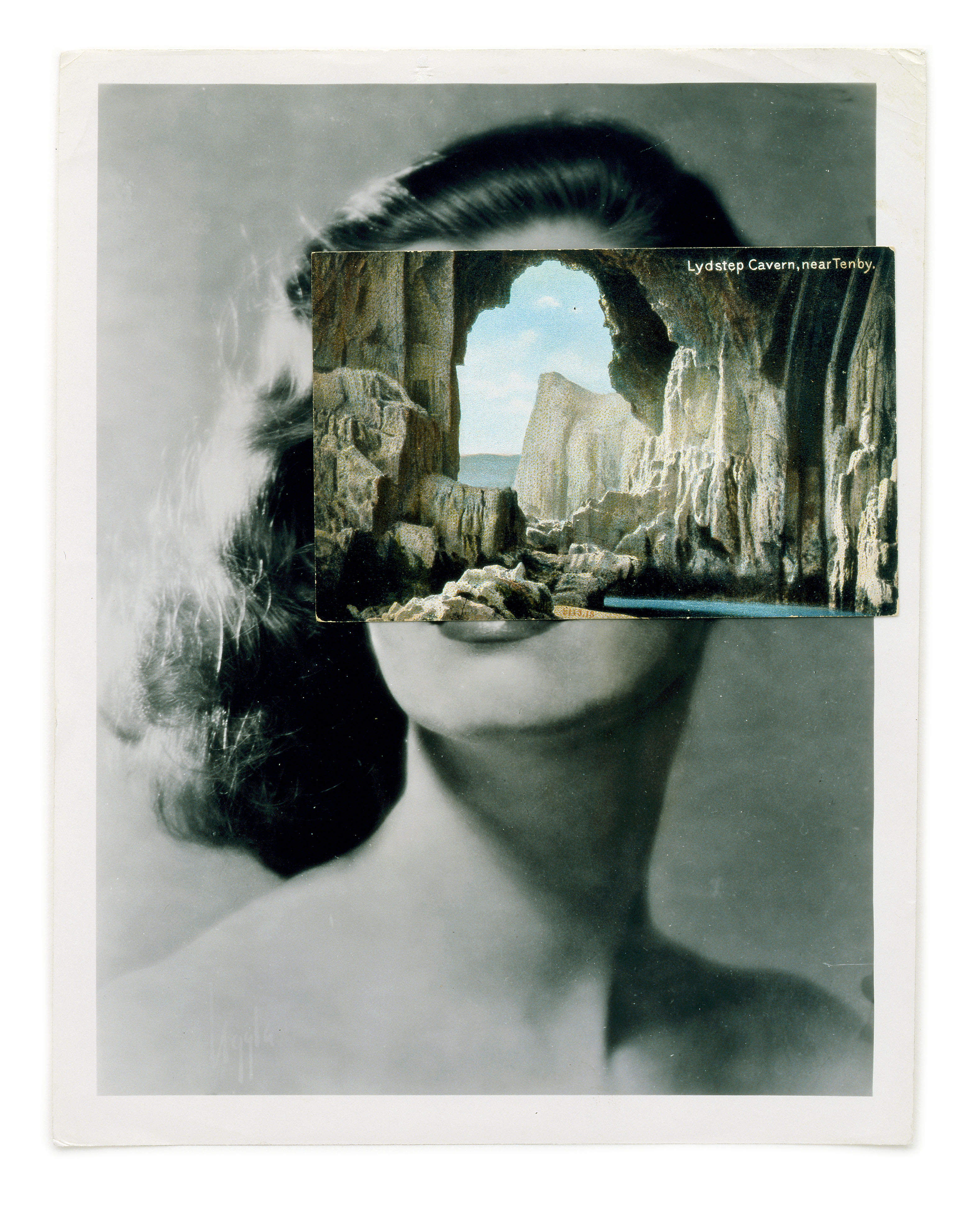
The work below, by John Stezaker, is another example of re-appropriation. By merging disparate images, in this case a glamourous studio headshot with a scenic postcard, he has created a new image with an entirely new meaning. In the new image, a psychological rater than representational portrait is offered and below the surface, this beauty is sadly vacant and cavernous.
 viqaiq.com