100 Questions Designed to Boost Your Visual/Arts Intelligence Quotient

Category: Uncategorized

81

Q. Why would this be the perfect album cover for an emerging band with a new sound?

A. This is the cover of the album Unknown Pleasures by the band Joy Division. This is a scientific illustration from the Cambridge Encyclopedia of Astronomy of 100 pulses coming from the first pulsar ever discovered. The drawing is similar to other drawings of things that emerge: mountain ranges, developing waves, or seismic events. To some it might even look like 100 heartbeats. All of these associations, both literal and imagined, come from this single image which is why it was perfect for a band that was about to create a sensation by emerging from the underground.

82

Q. What is re-appropriation?

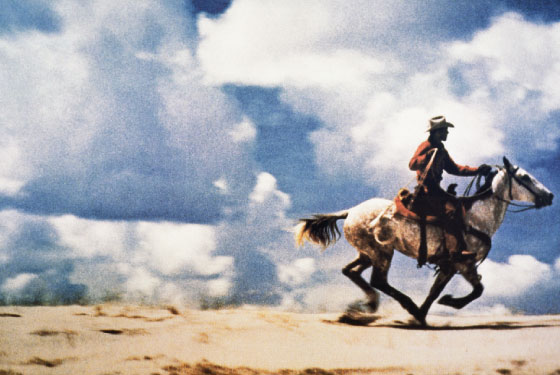
A. Simply put, it is a technique (or a conceptual orientation to art making) where artists use existing images (or things) to create new works of art. There are several ways that images (and things) can be re-appropriated; images from popular culture (like advertising) can be brought into the world of “high art”, existing images may be incorporated into new works of art, or existing images may be grouped in ways that change their meaning. Andy Warhol’s Campbell’s soup can and Duchamp’s urinal are probably the most famous examples of re-appropriation. The basic idea is that a new work of art is created from something “borrowed”.

The work above is by Richard Prince, who re-appropriated images from Marlboro ads by re-photographing them and removing their signature logo and tagline. In doing so, Prince essentially deconstructed their messages and exposed their artificiality. When manipulated and enlarged, they became dream like, representative of our deepest preoccupation with and attachments to archetypal identities. Advertising is mostly based in images of who we want to be, not who we actually are.

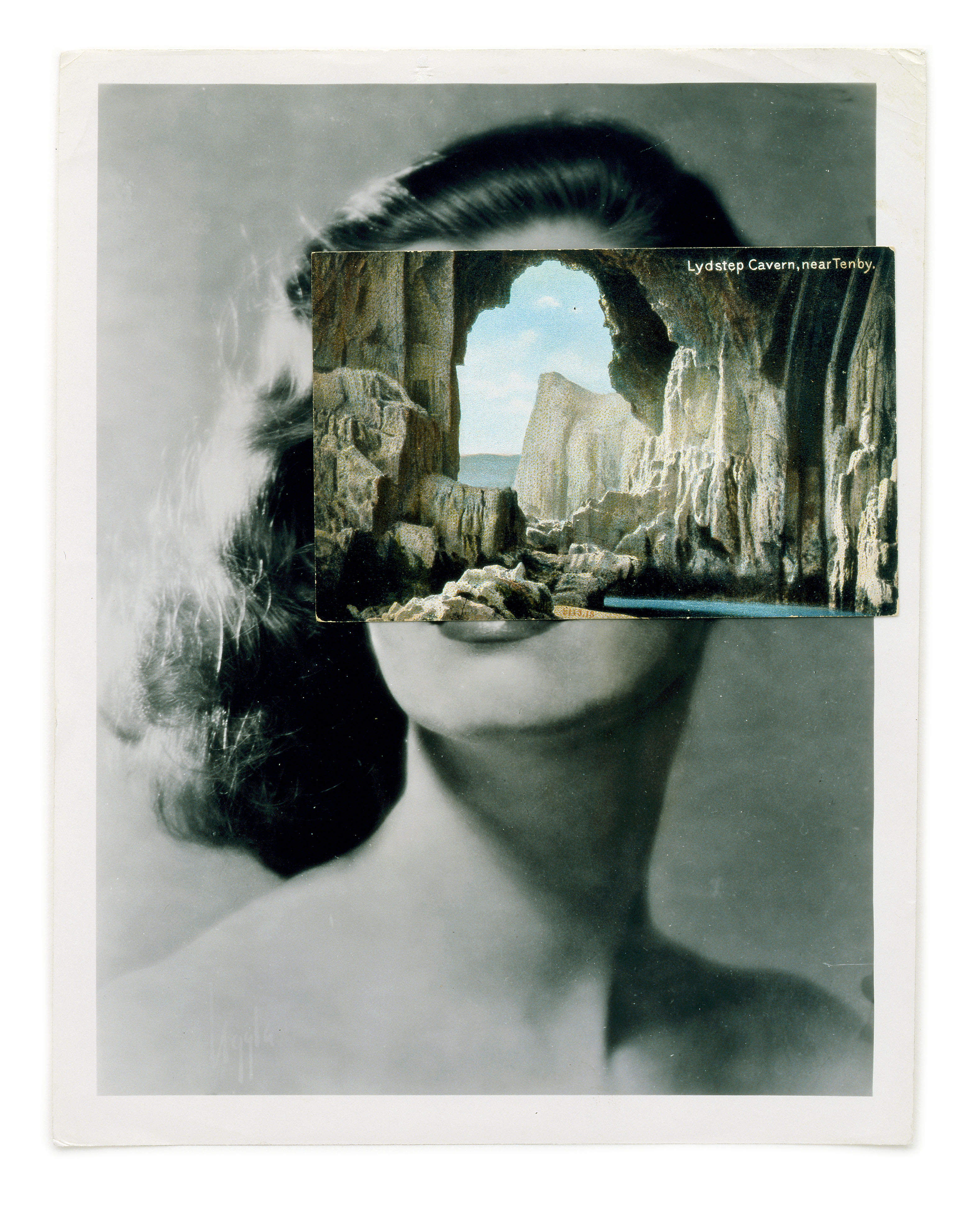
The work below, by John Stezaker, is another example of re-appropriation. By merging disparate images, in this case a glamourous studio headshot with a scenic postcard, he has created a new image with an entirely new meaning. In the new image, a psychological rater than representational portrait is offered and below the surface, this beauty is sadly vacant and cavernous.

83

Q. Why do you think this image was selected as the background for a credit card?

A. Although it is cliche, this image projects tradition and power, and invites the viewer to imagine the peace that would come from entering this pristine and idealized landscape. In many ways, it is the perfect visual representation of the words to the song America the Beautiful, “O beautiful for spacious skies…for purple mountain majesties…God shed his grace on thee.”

Creditors want us to believe that the card will be our ticket to the American dream.

84

Q. How are the narratives of these landscape paintings similar and how are they different?

A. The painting above is by Bob Ross, the longtime host of the PBS series, The Joy of Painting. It is an enjoyable, though sentimental and highly idealized, landscape painting. The painting below is by the master painter, Albert Bierstadt, and despite the fact that it is painted with significantly more skill and technique, it too is of an idealized landscape. Unlike Ross’ painting, which is intended to communicate a simple message about beauty and tranquility, Bierstadt’s aim was to make the American landscape appear as majestic and grand as those found in European landscape paintings. It is a work of landscape propaganda, if you will.

The landscape tradition is incredibly rich and there are an infinite variety of ways that artists can interpret a landscape. Your skill as a viewer will be tested to understand message when you look at landscapes. When they are truly good, they are more than pretty pictures.

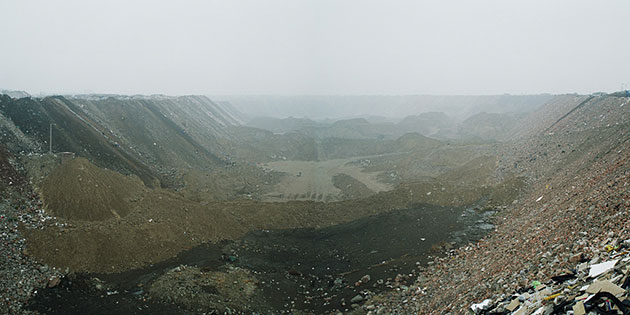
The landscape photographs of Wang Jiuliang, of expanding Beijing landfills, constitute a new, more modern approach to the landscape tradition. As environmental degradation continues at an alarming pace, landscapes can no longer really be idealized as they once were. They are now mostly about loss.

85

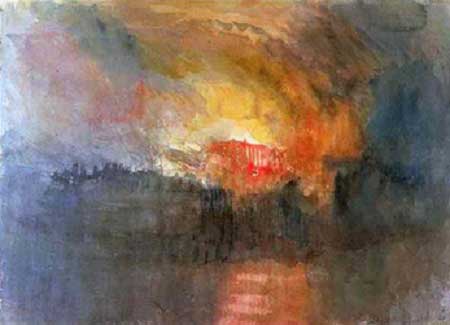
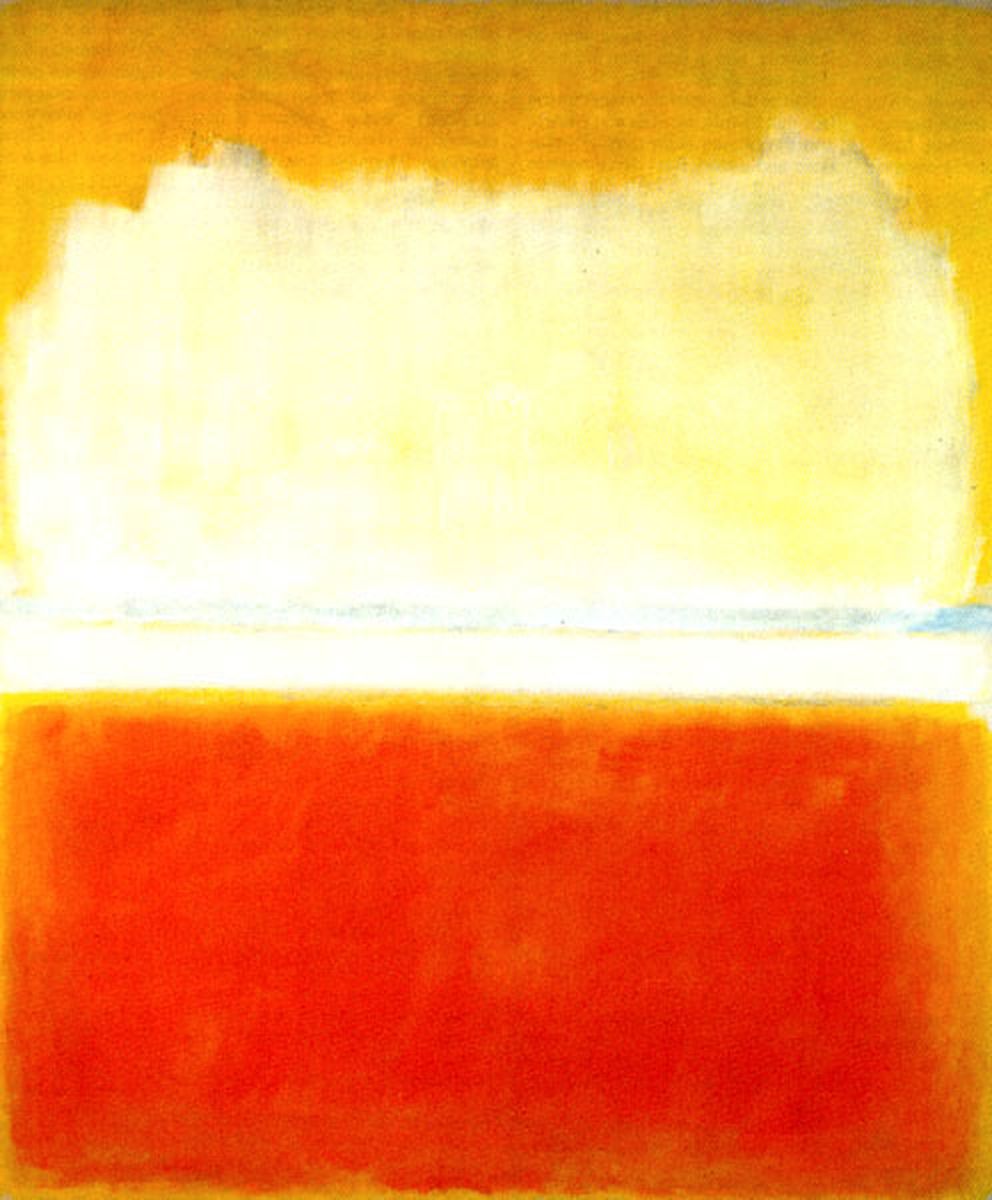
Q. The painting above is by J.M. Turner and the painting below is by Mark Rothko. How and why are they related?

A. J.M. Turner (1775-1851) is considered a master of European painting and his landscapes and seascapes are utterly rich with color and light. Many of his loosely painted landscapes have abstract qualities, and some believe he influenced the development of modern painting and, in particular, the development of abstract expressionism. Notice the similarities in the Turner above and the Rothko below. It is important to note, however, that the abstract expressionists were not creating abstract landscapes. The development in painting was to pare down both subject matter and technique and ultimately remove reference altogether. Rothko’s paintings are really about color relationships, but you can see that there are interesting antecedents to these incredible breakthroughs.

86

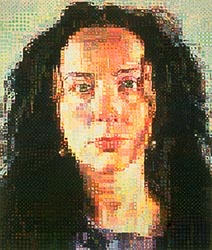
Q. What is the most basic mark that an artist can make?

A. The “dot”. This is a painting by Chuck Close, made using small dots.

87

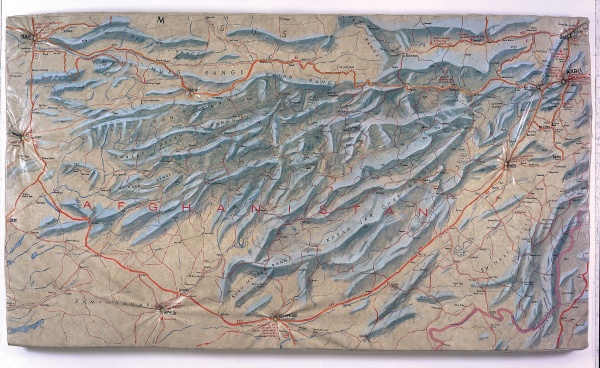
Q. This is a map of Afghanistan painted on a mattress by the artist Guillermo Kuitca. How is the use of a mattress in this work extending the artist’s narrative?

A. Quoting from the Hirshhorn museum’s exhibition materials from their 2008 show, Guillermo Kuitca: Everything,

“Since the early 1980s, the artist’s work has been characterized by recurring imagery, most notably spatial and mapping motifs. Central among these are images of theater sets and seating charts, architectural plans, road maps, beds, numerical sequences, and baggage-claim carousels, through which Kuitca explores universal themes of migration and disappearance, the intersection of private and public space, and the importance of memory.” 

A mattress is a deeply personal article connected with our most intimate, personal histories (the place where we sleep and dream is one of our most private and sacred – however, mattresses are also moveable and can be symbols of transience – think of the mattress in a flop house or institutional setting, for example). Painting a map of a country in deep turmoil on a mattress is a very effective way of personalizing all that has happened there. If this map were painted on paper, it would just be a map, but because it was painted on a mattress, the narrative is fundamentally altered. This is one clever way that artists use materials to expand meaning.

88

Q. What kind of visual evidence do you trust?

A. These images were presented to the United Nations National Security Council by Colin Powell in 2003 as evidence that Saddam Hussein was deceiving UN inspectors and moving chemical weapons. The photographs were released to the public and seemed convincing evidence that transfer of materials used in weapons making was, in fact, taking place. It was particularly alarming within the context of the events of 9/11. In retrospect, since it is now widely understood that no weapons of mass destruction ever existed in Iraq, it has become clear that we were collectively duped by these and other images. We trusted the visual expertise of national security advisors and surveillance systems and in doing so we were misled. In truth, most Americans have almost no ability to evaluate these kinds of images; these are simply grainy photographs of big trucks around buildings. Important to remember, since there will undoubtedly be another time when we are shown images with highly political ramifications.


89

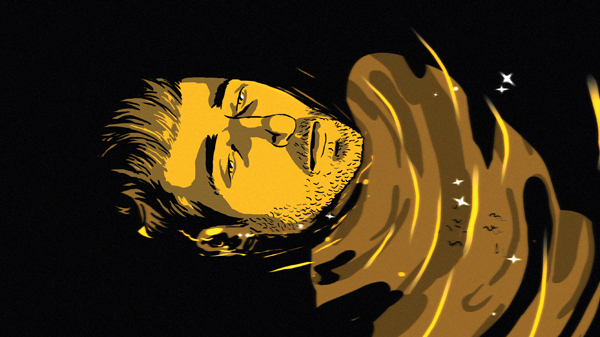
Q. This is a still from the feature length animated film Waltz with Bashir. Why would it makes sense to animate a film about war?

A. Waltz with Bashir is a superb animated film, directed by Ari Folman, illustrated by David Polonsky and with animation directed by Yoni Goodman. If you haven’t seen it, the film is Folman’s personalized account of the Sabra and Shatila massacre that occurred in Beirut in 1982, when Israeli soldiers murdered more than 3,000 Palestinian refugees. In the film, Ari tries to piece together his involvement in the massacre from his painfully suppressed memory, with the help of others who were with him at the time. There are other films that effectively communicate the depravities of war but it is highly innovative to tell this particular story through drawings. This approach works for two reasons: memories are very much like dreams, and the use of animation to help us understand the process of piecing together fragments of surrealist memory is particularly affecting. Probably more importantly, however, is the fact that the event is so emotionally disturbing and heinous that it would be nearly impossible to honor its gravity by acting it out. As seen below, the true images of Sabra are so hideous that they can barely be taken in by the viewer. That is probably why the filmmakers present the actual photographic evidence of the massacre at the very end, as the audience would be unable otherwise to suspend their emotional reaction to such a sight in an effort to understand how it could ever have occurred.


90

Q. Have you ever taken a visual examination?

A. This is the Rorschack, or “inkblot” test, a famous psychological test used for personality assessment. Subjects “free associate” while viewing 10 inkblot cards and their associations are said to provide insight into their thought processes.

There is, by the way, a range of less well-known visual tests that have been used by psychologists. Individual reactions to abstraction and other ambiguous visual information would, no doubt, be fascinating. Whether they provide a scientific basis for reliably evaluating personality is a very interesting, though debatable, question.